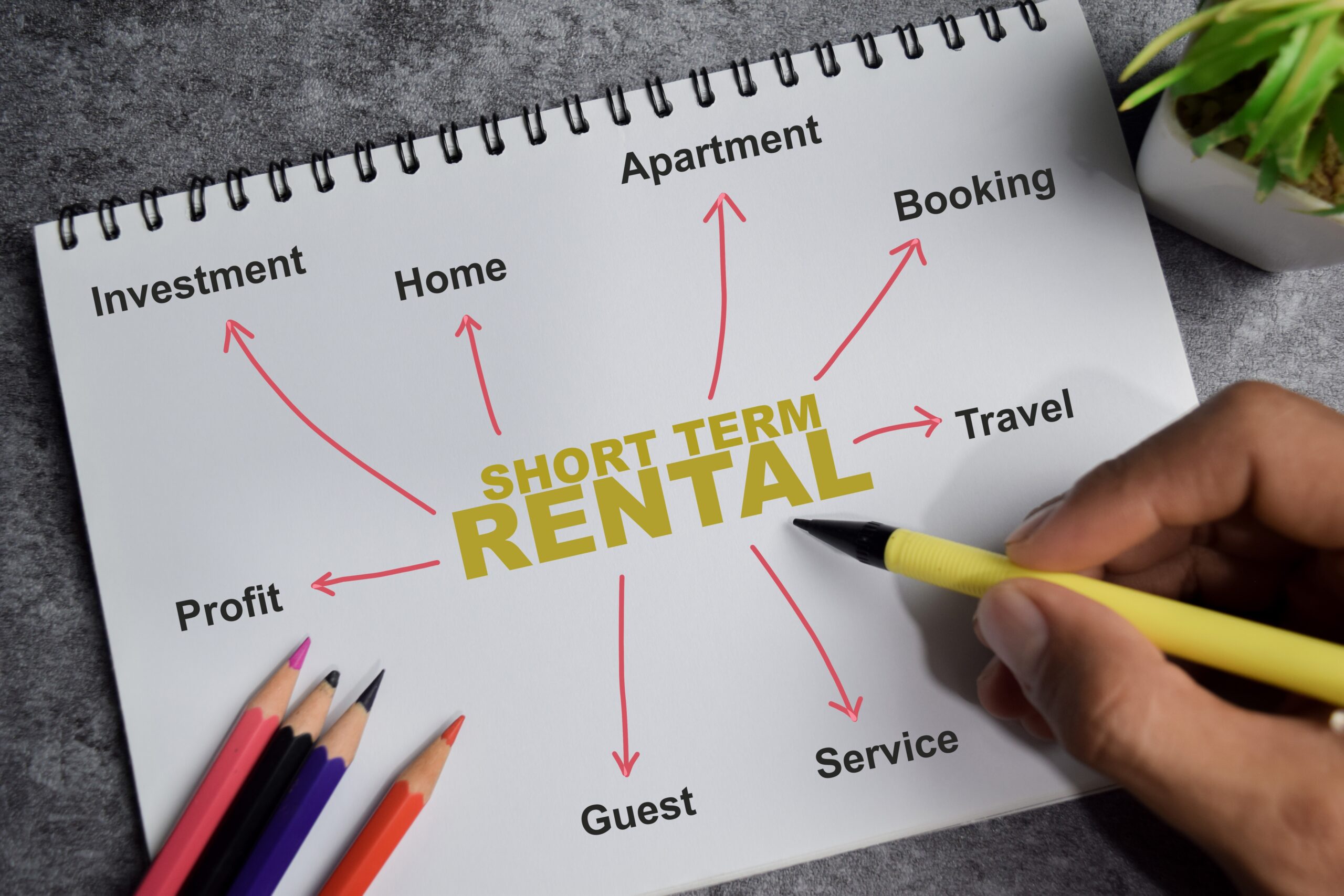
A short term rental can become a way to reduce taxes, generate income, and build long term wealth. This strategy works when you have the right level of income, the right property and the right plan.
1. Make sure you have the income for this strategy
A short term rental can only reduce taxes if you already have taxes to reduce. This strategy begins to make sense when your net income is around $200,000 or more per year, after expenses.
The higher your income, the more impactful the strategy becomes.
2. Confirm the property is legally allowed to operate as a short term rental
Miami buildings follow different rules. Some allow daily stays. Some allow monthly stays. Some only allow STR use in specific floors or categories.
“Yes—Okan Tower is Airbnb-friendly, but ONLY for its condo-hotel units on floors 36–50.”
From an article on the Mike Chen Realtor blog: Is Okan Tower Miami Airbnb-Friendly?
This shows why legality is the first filter. If the property does not qualify as a short term rental, the cash flow and the tax plan collapse.
3. Make sure the property itself is a strong investment
After confirming legality, choose a property that builds wealth:
- strong nightly rates
- high demand area
- good appreciation potential
- consistent cash flow
You are buying the property to build wealth. The tax benefits only accelerate the results.
Articles on the Mike Chen Realtor site offer building breakdowns for Miami and Orlando that help identify projects built for short term rental activity.
4. Why short term rentals work for taxes while long-term rentals usually do not
Long-term rentals take normal depreciation, but for high-income earners who are not real estate professionals, losses are often limited due to passive activity rules.
Short term rentals are different. When the participation rules are met, STRs can be treated as a business activity. That means depreciation and expenses may reduce your business income or W-2 income, depending on the rules in that year.
5. Cost Segregation: the engine behind the tax savings
To unlock accelerated depreciation, most investors complete a Cost Segregation Study.
The typical cost ranges from:
- $900 for simple properties
- $2,000–$5,000+ for larger or complex buildings
This makes the process accessible, accurate and budget-friendly.
6. The model that builds long term wealth
The pattern successful investors follow:
- Strong income ($200k+)
- A property that legally qualifies for STR use
- A property that is a strong investment even without tax benefits
- Clean business operations
- A cost segregation study with proper tax planning
- Using cash flow and tax savings to buy the next property
Over time, this creates a cycle of income, tax efficiency and long-term asset growth.